Category: Joomla

  • How to Change Template in Joomla 4: A Beginner’s Guide

    How to Change Template in Joomla 4: A Beginner’s Guide

    With about 3% of the world’s websites running on content management systems, Joomla holds a significant market share. Changing a template in Joomla 4 can significantly enhance the appearance and functionality of a site.

    Understanding Joomla 4 Templates

    Importance of Templates

    Templates control the overall look of your Joomla 4 site. They determine layout, color schemes, and typography.

    Different Types of Templates

    Whether you’re after responsive design or eCommerce features, Joomla 4 offers various templates to suit your needs.

    Pro Tip: Always create a backup before making any changes to your Joomla 4 templates.

    Step-by-Step Guide to Changing Templates

    Pre-requisites

    Before proceeding, ensure that you have administrative access and the latest version of Joomla.

    Choosing a Template

    Select a template that aligns with your brand and vision. Consider user-friendliness and design elements.

    Installation and Activation of a New Template

    Login to Joomla Administrator Panel

    • Navigate to your Joomla website’s admin panel.
    • Log in using your super administrator login credentials.
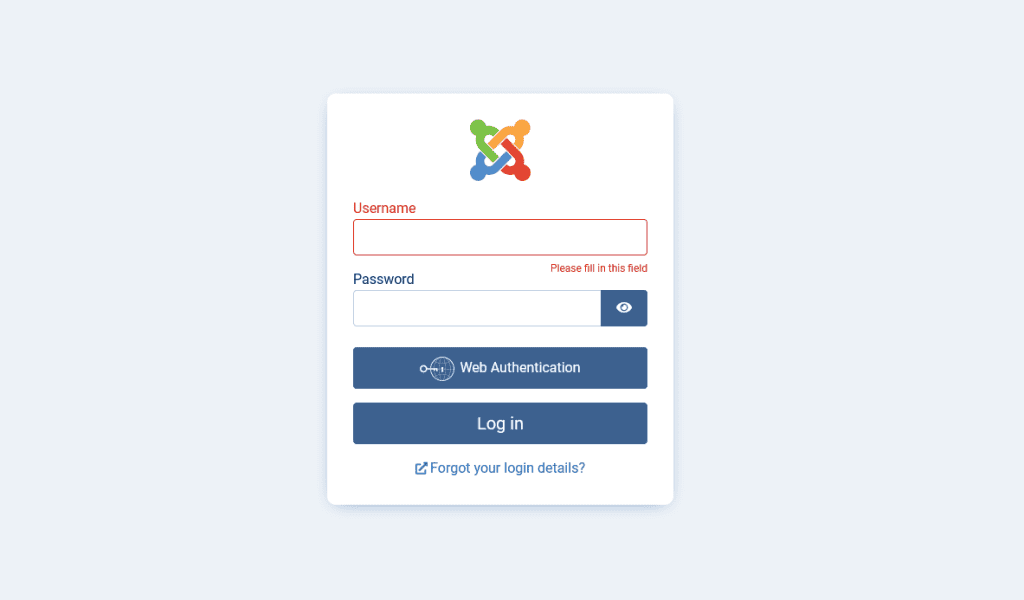
    joomla4 administrator login

    Access Template Management

    • After login navigate to the System Menu at the bottom left sidebar of in your administrator.
    • Search for the Manage Section and click on the Extension Menu in the list.
    • The page will now show up all the Templates, Components, Plugins, Modules, Languages and packages installed.
    • Using the filter options in the page Select Type as Template.
    • It will now show the list of admin and site template installed.
    • Cassiopeia Site template comes with the default Joomla installation package.
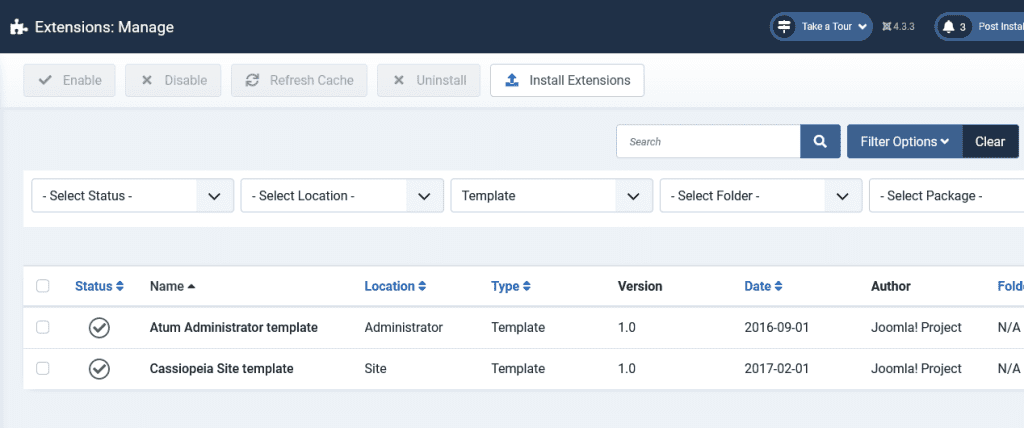
    template manage joomla 4

    Now, if you don’t want to use the default Joomla template and want to change it and install your own template. Here the the process to do.

    Install a Template

    If you go to the Extensions : Manage page you will find the button at the top of the page which says “Install Extensions”. Clicking on it will take you to the installation Manager.
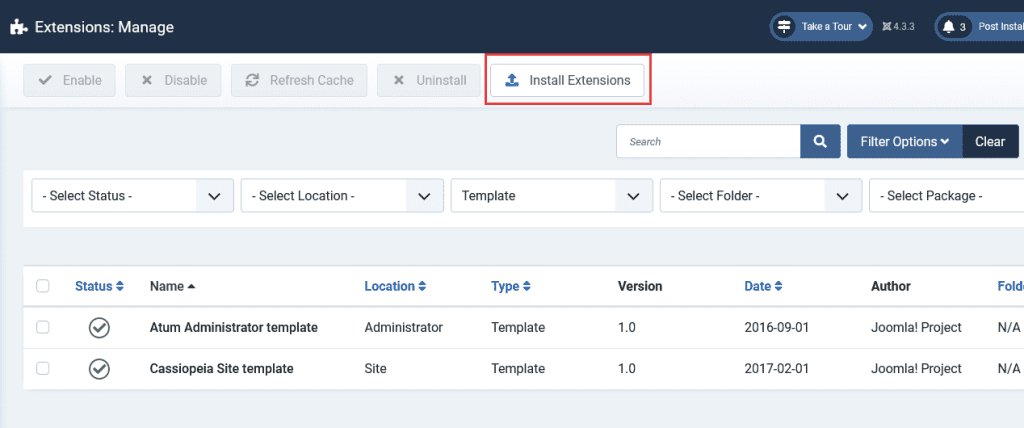
    install manage extensions

    Alternately, you can directly navigate to the Installation Manager page by go to the System Menu on the left sidebar of the administrator section, search for the Install Section and click on the Extensions link.
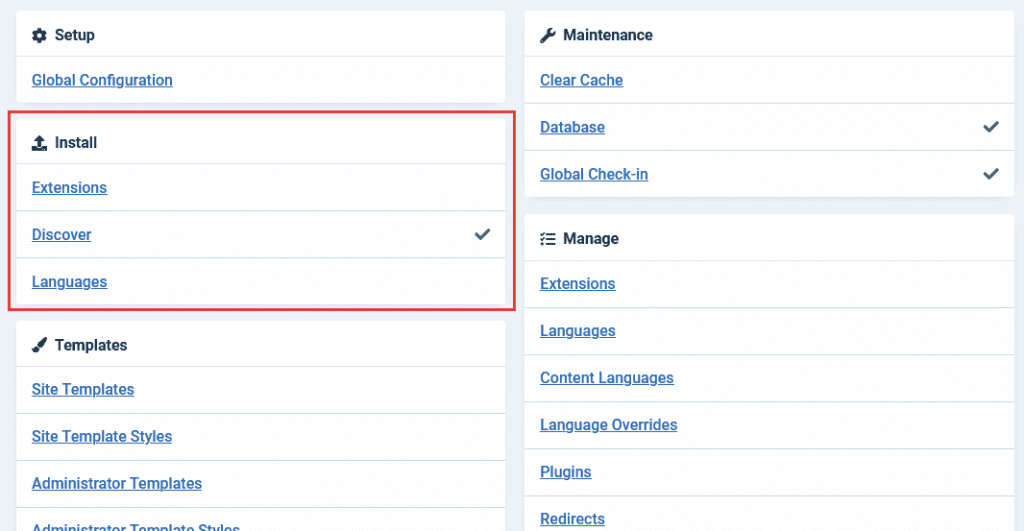
    install joomla

    Select and Upload the template

    Upon navigation to the Extensions menu you will find the option to install the template. The template is a zip package with all the files, CSS styles and Javascript.

    Click on browse for file, select the template zip package which you have downloaded to your computer.
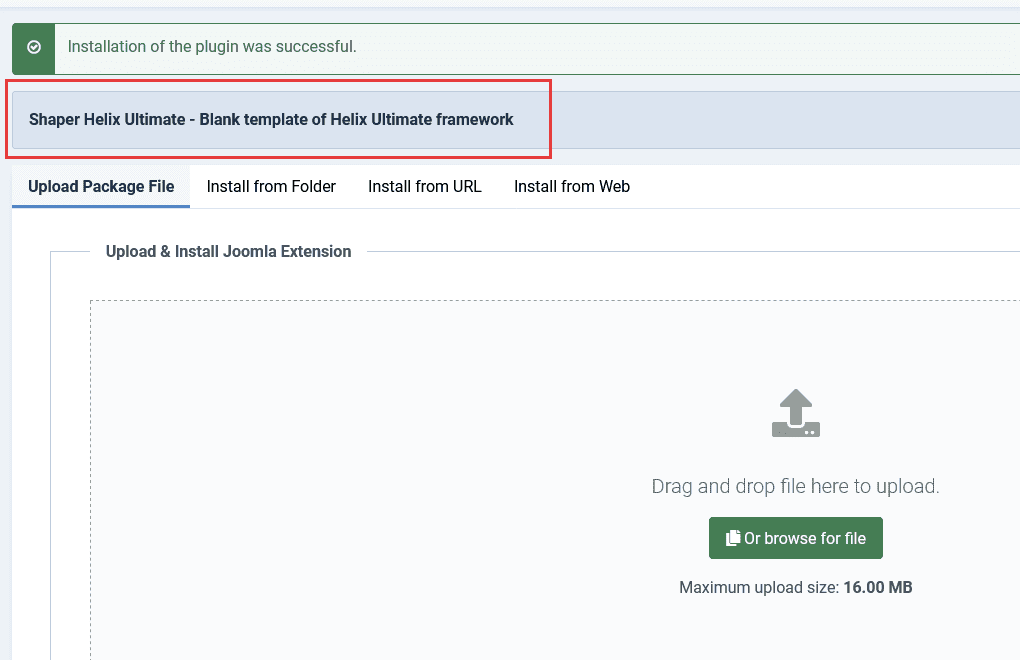
    successful joomla template installation

    You will see a success message confirming the template’s installation.

    Select the New Template for Activation

    Now, that the template is successfully installed, navigate to the System menu and search for Templates section and click on Site Template Styles.
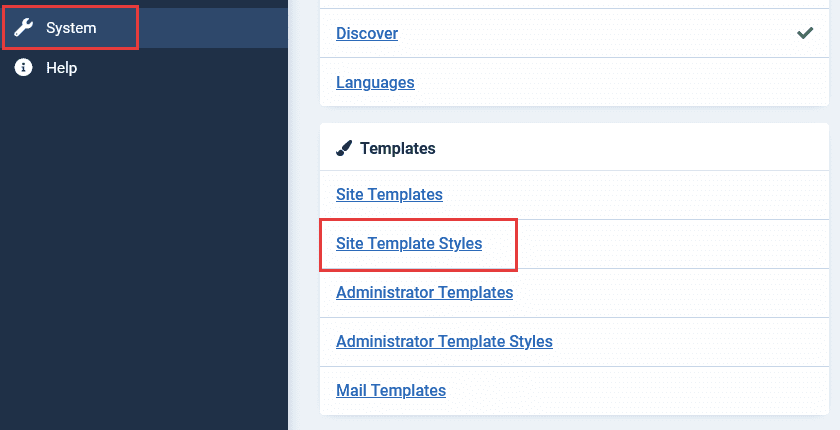
    select site template styles joomla 4

    Activate the Template

    • Click on the checkbox next to the template name.
    • Press the “Default” button to set it as the default template for your site.
    • The star icon next to the template name confirms that it is now active.
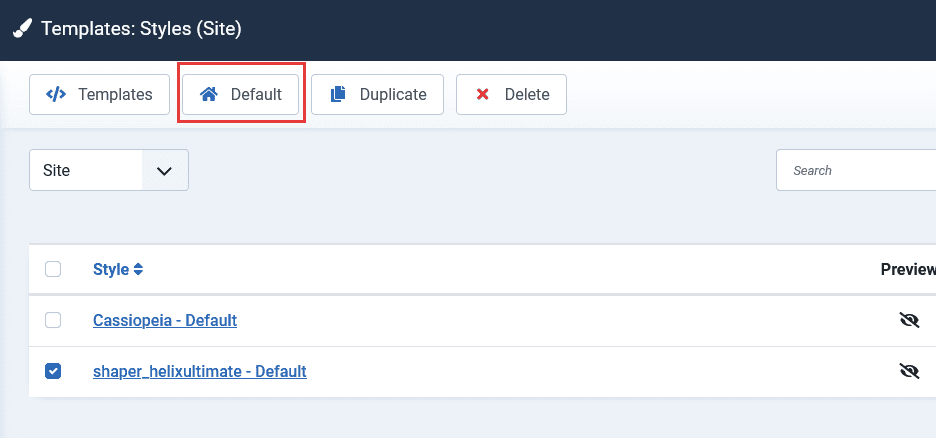
    template styles default joomla 4

    Preview the Changes

    • Clear your Joomla Cache.
    • Open your website in a new tab to preview the changes.
    • Make sure everything looks as intended.
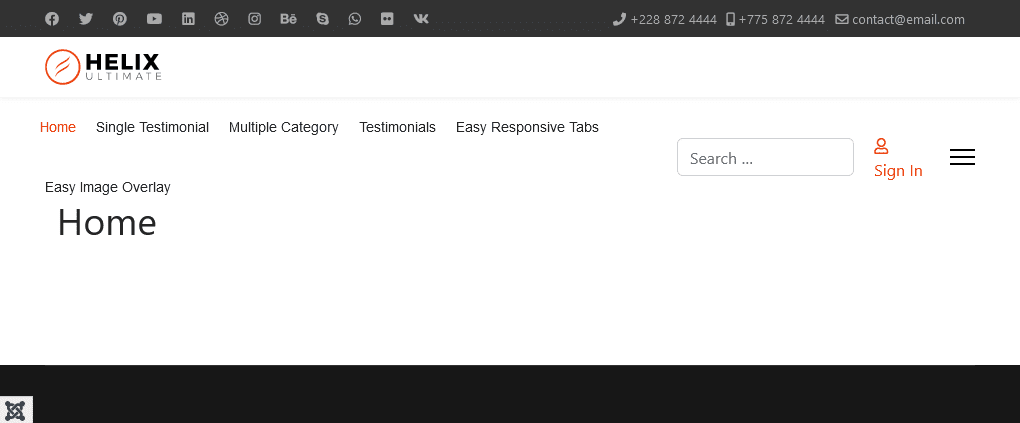
    new template activated joomla 4

    Conclusion

    Changing templates in Joomla 4 is a straightforward process that can greatly improve your site. Whether you’re a beginner or an expert, following this guide ensures a smooth transition.

  • Disable cookies for Visitors in Joomla Websites

    Disable cookies for Visitors in Joomla Websites

    In the world of the internet, it’s important to keep a balance between making your website easy to use and keeping your users’ information private. Cookies, which are small pieces of information that a website stores on your computer, can help make a website better. But turning them off can also protect your privacy and make your website load faster.

    What Are Cookies?

    Cookies are like digital breadcrumbs that you leave behind when you visit a website. They have different jobs. Some cookies help you move around a website easily, while others remember what you like. Knowing what types of cookies your Joomla website uses can help you decide which ones to turn off.

    Laws About Privacy

    There are laws like the General Data Protection Regulation (GDPR) and the California Consumer Privacy Act (CCPA) that control how websites can use cookies. It’s important to get permission from your users before you use cookies. We’ll talk about these laws and how to make sure your website follows them.

    Why Turn Off Cookies?

    Even though cookies can make a website easier to use, they can also raise concerns about privacy. Turning off cookies gives users more control over their information and stops unwanted tracking. Plus, getting rid of unnecessary cookies can make your website load faster, which makes for a better user experience.

    How to Disable Cookies in Joomla: A Step-by-Step Guide

    Now let’s get to the practical part: how to turn off cookies in Joomla. Here are the steps to protect your users’ privacy and make your website work better:

    1. Figure out which cookies your website needs and which ones you can turn off without causing problems.
    2. Find out what cookies your Joomla website is currently using and what they do.
    3. Learn how to turn off cookies in the Global Configuration settings in Joomla.
    4. Find out how to turn off cookies in specific Joomla extensions or plugins.

    Other Ways to Manage Cookies

    You might not want to turn off all cookies. Joomla has other ways to manage cookies that let you balance between making your website easy to use and protecting privacy:

    1. Use cookie management extensions in Joomla: These tools give you more control over which cookies are allowed, so you can customize the user experience.
    2. Use cookie banners and consent tools: These tools let your visitors decide how their information is used.
    3. Learn advanced cookie control techniques: These methods let you turn on cookies based on what your users prefer.

    Testing and Making Sure Cookies Are Turned Off

    After you turn off cookies, it’s important to test your website to make sure it still works properly. You should also monitor how your website behaves and how users experience it to make sure turning off cookies is improving privacy and performance.

    Here are some methods to ensure your cookie disabling measures are effective:

    1. Testing cookie functionality: Perform thorough testing to ensure that cookies are properly disabled and that your website remains fully functional.
    2. Verifying effectiveness: Monitor website behavior and user experience to confirm that the disabling measures are improving privacy and enhancing performance.

    Best Practices for Managing Cookies

    To manage cookies effectively and provide a great user experience, follow these best practices:

    1. Regularly review and update your cookie policies: Stay up-to-date with privacy regulations and regularly review and update your cookie policies accordingly.
    2. Educate your website visitors about cookie usage and privacy practices: Provide clear information to visitors, explaining how cookies are used and the privacy practices you follow.
    3. Implement user-friendly opt-out mechanisms: Offer easy ways for visitors to control their cookie preferences.

    Common Questions

    A. Will turning off cookies affect how my website works?
    Turning off cookies might affect some features of your website. But with careful planning, you can minimize any negative effects.

    B. How will turning off cookies affect the user experience?
    Without cookies, some personalized features might not work as well. But you can use other solutions and communicate effectively with your users to lessen these effects.

    C. Are there any exceptions to turning off cookies?
    Some cookies, like those needed for essential website functions or legal compliance, might need to be kept on. You should evaluate these exceptions on a case-by-case basis.

    Conclusion: Balancing Privacy and User Experience

    Turning off cookies in Joomla is an important step toward protecting user privacy and providing a great user experience. By assessing the need for cookies, following the step-by-step guide, and using alternative ways to manage cookies, you can respect privacy laws while still providing a smooth website experience.

  • Disable Joomla extension update notification?

    Disable Joomla extension update notification?

    To maintain the Joomla security and functionality of websites, it’s crucial to regularly update both the site and the third-party extensions used. Regular updates address a variety of issues, including enhancing functionality features, upgrading PHP functions, and ensuring compatibility with the latest Joomla versions.

    However, some website owners hesitate to update extensions. This could be due to modifications they’ve made to the extension’s core files, which they fear might be overwritten, or they may be reluctant to purchase the commercial extension after the license expires. As a result, they frequently encounter a red notification upon logging into the Joomla backend.

    To disable the update notification for specific extensions in the backend for Joomla 4.x.x, follow these simple steps:

    Step 1: Log in to the backend of your Joomla website using the Super admin login details.

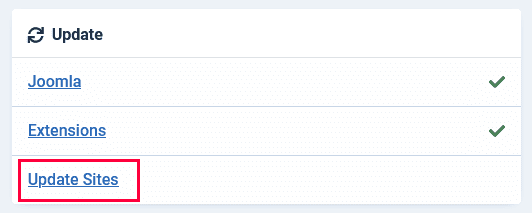
    Step 2: Navigate to the System Menu > Update > Update Sites.

    update sites

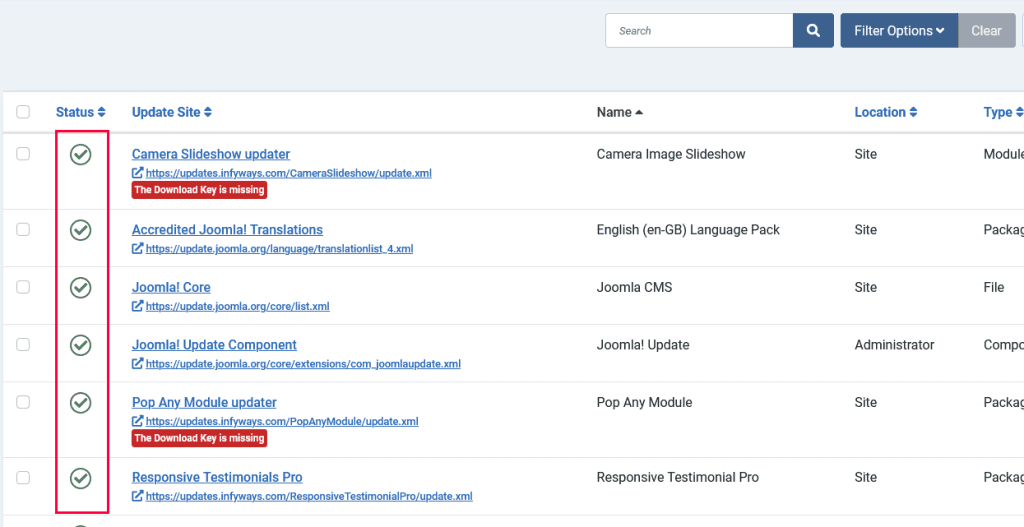
    Step 3: On the Update Sites page, you’ll find a list of Update Sites with an XML link below each. Select the extension for which you want to disable the update notification.

    update sites manager

    Step 4: Select the extension(s) and click on the disable button. To clear the Joomla cache, go to the System menu > Clear Cache.

    By following these steps, you can manage your Joomla upgrade issues more effectively, ensuring a smoother and more secure user experience.

  • Caching in Joomla: An Essential Tool for Accelerating Your Website Speed

    Caching in Joomla: An Essential Tool for Accelerating Your Website Speed

    Hello Joomla enthusiasts! Today, we’re going to delve into the world of caching and its crucial role in Joomla. You might be wondering: What is caching and why is it so important? Let’s embark on this journey together!

    Introduction to Joomla Cache

    Caching, in the simplest terms, is a process that stores a version of your website content to deliver it quickly to the visitors without needing to generate it from scratch every time. The necessity of caching arises from its ability to significantly enhance website speed, thus, improving user experience and Joomla SEO ranking.

    Joomla presents you with a variety of caching options: Page Caching, Conservative Caching, and Progressive Caching. Each type caters to different needs and situations, ensuring that your Joomla website functions optimally at all times.

    Cache Settings in Joomla

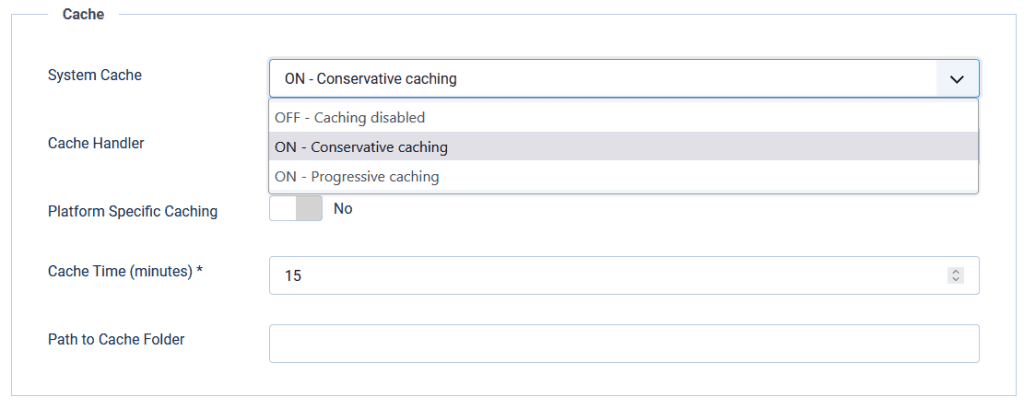
    To access the cache settings in Joomla, head over to System > Global Configuration > System Tab. In the Cache Section you will find 3 System Cache options:

    cache settings joomla

    • Caching Disabled: As the name suggests, no caching happens when this option is selected.
    • Conservative Caching: This option caches the content for each visitor separately.
    • Progressive Caching: This more aggressive form of caching stores the same content for all visitors, making it especially beneficial for websites with mostly static content.

    Cache Handler

    Under the cache settings, there’s another crucial setting you need to know about – the Cache Handler. This option determines how Joomla stores the cached content. The two common cache systems are the ‘File’ and ‘Memcached’, each having their unique benefits.

    Cache Time

    The Cache Time is another significant factor that determines the lifespan of cached content. It’s essential to set the cache time based on the dynamics of your website. For instance, a news website may require a shorter cache time due to frequent content updates.

    Page Cache

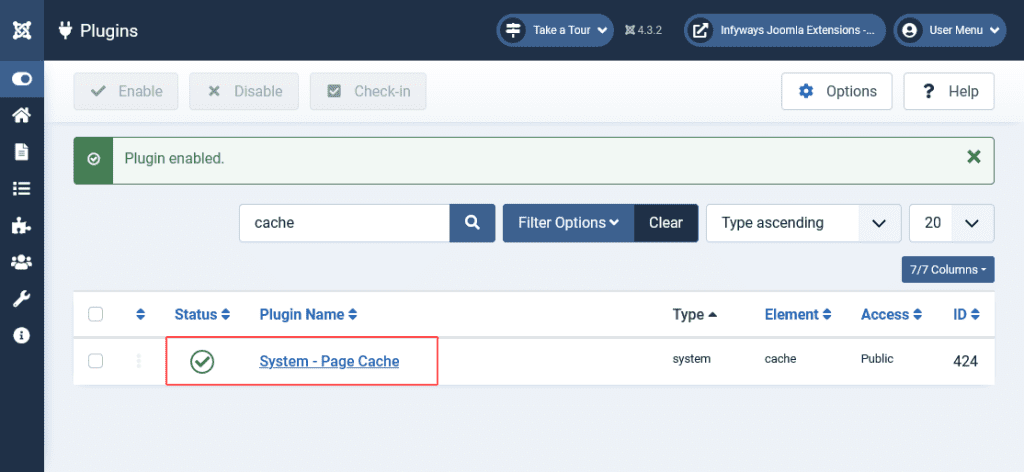
    enable system page cache joomla 4

    Enabling the page cache in Joomla is straightforward. Go to Extensions > Plugins, then search for “System – Page Cache” and enable it. It is a type of caching that saves an entire page’s HTML, significantly reducing server load.

    Browser Caching

    Browser caching takes caching a step further by storing static files (like CSS, JavaScript, and images) of your website in the visitors’ browsers. This reduces server load and increases the speed for returning visitors.

    To enable it, simply navigate to

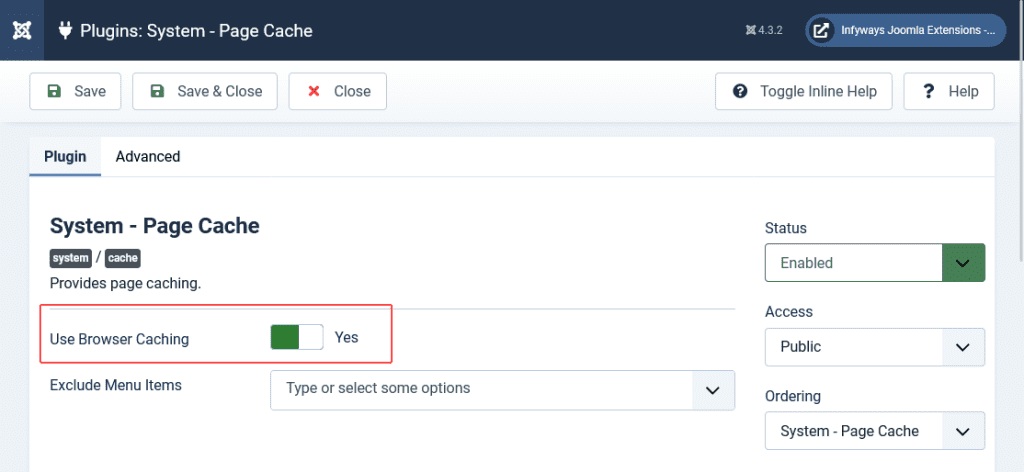
    Extensions > Plugins, find “System – Page Cache”, and enable “Use Browser Caching”.

    system page cache

    Browser caching can bring remarkable improvements in your website’s loading speed and enhance user experience manifold. Check out our guide on how to enable, disable, and clear cache in Joomla for detailed instructions.

    Frequently Asked Questions​

    To clear the cache in Joomla 4, follow these steps:

    1. Navigate to the Joomla Administrator Panel.
    2. From the ‘System’ menu, choose ‘Clear Cache’.
    3. Choose the items you want to clear by checking their boxes or simply click ‘Check All’.
    4. Click ‘Delete All’ button on the toolbar to clear the selected cache files.

    Joomla caching improves the website’s performance by storing a copy of your webpage after the first load. This cached version is then served to subsequent visitors, reducing the load on the server and providing a faster user experience. When a page is updated, the cache refreshes to reflect these changes. The check-in cache process ensures that the latest version of the page is always displayed to your visitors.

    To disable caching in Joomla, follow these steps:

    1. Log in to the Joomla Administrator Panel.
    2. Navigate to ‘System’ -> ‘Global Configuration’.
    3. On the ‘System’ tab, find the ‘Cache Settings’ section.
    4. Set the ‘Cache’ option to ‘OFF – Caching Disabled’.
    5. Save your changes.

    To clear the Joomla cache manually, you can do the following:

    1. Access your website’s file system either through FTP or your web host’s file manager.
    2. Go to the ‘cache’ folder, which is usually located in the root directory of your Joomla installation.
    3. Delete all the files and folders inside the ‘cache’ folder. Do not delete the ‘cache’ folder itself.

    The cache time in Joomla refers to the duration for which the system stores the cached copy of your webpage. After this period, the cached version of the page will be discarded, and a fresh version will be created. The default cache time in Joomla is 15 minutes, but this can be adjusted to suit the dynamics of your website. You can find and adjust the cache time in the ‘System’ tab of the ‘Global Configuration’ settings.

    Conclusion

    Caching in Joomla is not just a feature but a necessity for every website aiming for top performance and superior user experience. Whether you’re using Page Caching, Conservative Caching, or Progressive Caching, remember that every type has its unique advantages that can be utilized based on your website’s needs.

    Alternately you can use some thrid party cache plugins from Joomla Extensions Directory

  • How to Upgrade Joomla Using cPanel: A Comprehensive Guide

    How to Upgrade Joomla Using cPanel: A Comprehensive Guide

    This detailed tutorial will help you handle the upgrade process quickly, whether you’re considering upgrading Joomla 3 to 4, or perhaps looking to improve your older Joomla 1.5 to the latest version.

    For those wondering how to upgrade Joomla manually, or wishing to update to the latest Joomla version, this article will provide the necessary steps to make the process as smooth as possible.

    Upgrading your Joomla version regularly is essential to maintaining a secure, efficient, and feature-rich website. Let’s delve into the step-by-step process of upgrading Joomla using cPanel.

    Backup Your Website

    Before any major changes to your Joomla website, it’s always prudent to create a backup. This way, should anything go wrong during the upgrade, you can revert to the previous state. You can do this within cPanel using the Backup Wizard or by using Joomla extensions like Akeeba Backup.

    Check Extension Compatibility

    Before upgrading, make sure your extensions are compatible with the new Joomla version. You can find this information on the Joomla extensions directory or the extension developer’s website. It’s crucial to ensure smooth operation after the upgrade.

    Upgrade Your Joomla Version

    Once the backup is complete and the extensions are compatible, you can proceed with the upgrade. If you’re using Joomla 3, you can easily upgrade to Joomla 4 from your Joomla control panel.

    If you’re using an older version such as Joomla 1.5, the upgrade process might be a bit more complex. You would need to migrate your site to Joomla 2.5 before proceeding with the upgrade to Joomla 3 or 4. Here, you can follow a detailed guide on how to upgrade Joomla 1.7 to 2.5 and subsequently upgrade from Joomla 3 to Joomla 4.

    Test Your Website

    Once you’ve completed the upgrade, make sure to thoroughly test your website to ensure everything is functioning correctly. If you run into issues, you might need to refer to this guide on fixing Joomla issues.

    Update Your Extensions and Templates

    After ensuring your website works well with the new Joomla version, it’s time to update your extensions and templates. Doing this after the Joomla upgrade reduces the chances of encountering compatibility issues.

    Now that you know how to upgrade Joomla using cPanel, it’s important to regularly check for new Joomla updates to keep your website secure and running efficiently. Joomla’s latest version, Joomla 4, has introduced several new features to enhance your website’s performance and improve the user experience.

    Frequently Asked Questions​

    How often should I upgrade my Joomla version?

    Joomla regularly releases updates to enhance security and functionality. Therefore, it’s recommended to check for updates every few months.

    How do I check if my extensions are compatible with the new Joomla version?

    You can check the compatibility of your extensions by visiting the Joomla Extensions Directory or the extension developer’s website.

    What do I do if my website breaks after the Joomla upgrade?

    If your website breaks after the upgrade, you can restore your website from the backup you created before the upgrade process.

    How do I upgrade from Joomla 1.5 to Joomla 4?

    Upgrading from Joomla 1.5 to Joomla 4 involves migrating to Joomla 2.5, then upgrading to Joomla 3, and finally to Joomla 4.

    Embrace the world of enhanced features, improved user experience, and robust security with the latest Joomla version. Happy Upgrading!

  • How to add a module inside an article in Joomla?

    How to add a module inside an article in Joomla?

    Joomla is one of the most used CMS platform, allowing you to customize your website to your exact specifications. But, have you ever wanted to embed a Joomla module directly into an article? Well, you’re in luck. With Joomla’s built-in loadposition plugin, you can easily do this. Let’s dive in!

    What is a Joomla Module?

    Before we delve into the process, let’s take a moment to understand what a Joomla module is. Modules in Joomla are lightweight and flexible extensions used for page rendering. These modules are often boxes positioned around a component like login, menu, or a custom HTML box.

    Step-by-Step Guide: Adding a Joomla Module into an Article

    Create a new module instance

    Navigate to the ‘Extensions’ tab and select ‘Modules’. Here, click the ‘New’ button to create a new module.

    Set a position for your module

    In your new module settings, find the ‘Position’ option. Here, you can assign a unique position that doesn’t conflict with your existing module positions. Lets name it my-custom-position.

    Enable the loadposition plugin

    Now go to ‘Extensions’, > ‘Plugins’. Search for ‘Content – Load Modules’, and ensure it is enabled. If not, click on it and set the status to ‘Enabled’. The loadposition plugin allows you to load a module inside an article.

    Insert your module into an article

    Open the article where you want to insert your module. In the content area, type {loadposition my-custom-position}. Make sure to replace ‘your-position’ with the position name you set for your module.

    Now, your module will appear wherever you’ve placed the {loadposition} tag within your article.

    Save your changes

    Don’t forget to save your changes both in your module settings and your article.

    Viewing Your Joomla Module Inside an Article

    Congratulations! You’ve just learned how to insert a module inside a Joomla article. Now, when you view your article on your website, you should see your module displayed in the position you designated.

    Remember, adding a module inside an article can be beneficial for displaying extra content or functionality, such as a login form or a custom HTML box. Keep exploring and see what amazing things you can create with Joomla!

    Frequently Asked Questions​

    Absolutely! You can use the loadposition command as many times as you like within an article.

    Ensure the plugin is enabled and that you’ve correctly typed the module position in the loadposition command.

    There are many ways to customize your Joomla articles. For example, you can add custom JavaScript or even insert HTML codes into your articles.

    Joomla is a powerful and flexible platform, offering features like ecommerce solutions, various extensions, and a robust community for support. Learn more about the benefits of using Joomla on our blog.

    For more tips and guides about Joomla, check out our other posts and learn how to optimize your Joomla website speed or add a favicon in your Joomla website.

    Happy Joomla-ing!

  • How to Add Custom JavaScript to Joomla: A Comprehensive Guide

    How to Add Custom JavaScript to Joomla: A Comprehensive Guide

    When it comes to extending the functionality of your Joomla website, custom JavaScript (JS) can be a game-changer. Whether you want to add JavaScript to a Joomla article, include a JS file to your Joomla template, or insert JavaScript into a module, component, or plugin, this guide has got you covered.
    Here, we’ll explain all you need to know about adding custom JavaScript to your Joomla site. So, without further ado, let’s dive in!

    Adding JavaScript to a Joomla Article

    When you want to inject JavaScript into a Joomla article, the process is relatively straightforward.

    1. Open the article you want to edit.
    2. In the editor, click on the “Toggle Editor” button. This will switch the editor to its raw HTML mode.
    3. In this mode, you can insert your custom JavaScript  directly into the article.
    4. If the code gets stripped then go to Global Configuration, switch the editor to no editor and add the code. Few editors may not allow you to add javascripts to the article.

    Example to Add Javascript

     <script> let d = new Date(); document.body.innerHTML = "<h1>Today's date is " + d + "</h1>" </script>

    Example to Add Javascript Files

    <script src="file.js"></script>

    It’s as simple as that! You can read more about creating and editing articles in Joomla here.

    Adding a JS File to a Joomla Template

    If you want to add a JavaScript file to a Joomla template, you need to edit the template’s index.php file.
    Here’s how:

    1. Go to the Joomla 4 administrator panel.
    2. Click on System > Site Templates
    3. Select your template and click on “Edit Main Page template.”
    4. Find a suitable location in the index.php file to insert your JavaScript file. It’s best to place it before the </head> tag.
    5. Include the JavaScript file by adding <script src="path_to_your_file.js"></script>. Replace “path_to_your_file.js” with the actual path to your JavaScript file.
    6. You can do the same using FTP

    You can also add the javascript file using the following PHP code

    <?php
    $document = JFactory::getDocument();
    $document->addScript('/media/system/js/sample.js');
    ?>
    

    The above code instructs Joomla to load the sample.js file from the specified path. Here, the path is relative to your Joomla root directory. To ensure the right path, use the absolute URL to JavaScript in Joomla.
    When you add a JS file to a Joomla template, you allow for cleaner, more manageable code, and ensure that the same script can be used across different parts of your website.
    For more insights on working with Joomla templates, check out this detailed guide.

    Adding JavaScript to Joomla Modules, Components, or Plugins

    Just as with  templates, you can add custom JavaScript to Joomla modules, components, or plugins. This could be particularly useful if you want a specific module, component, or plugin to carry out a JavaScript function.
    To add JavaScript to a Joomla module, you would typically edit the module’s PHP files like default.php which can be generally found inside the tmpl folder and insert your JavaScript code. However, always ensure that you follow the Joomla best practices to prevent any potential conflicts or errors.

    Frequently Asked Questions​

    How do I add JavaScript to a Joomla article?

    You can add JavaScript to a Joomla article by opening the article for editing, switching the editor to raw HTML mode, and inserting your custom JavaScript between <script> tags.

    How do I add JavaScript to a Joomla module?

    You can add JavaScript to a Joomla module by locating the module’s PHP file which can be found at

    modules/mod_your_module/tmpl/default.php. Edit the default.php file and insert the code with addScript.

    How do I add an absolute URL to JavaScript in Joomla?

    You can add an absolute URL to JavaScript in Joomla by adding the full URL in the src attribute of the script tag, like so: <script src="https://example.com/path_to_your_file.js"></script>.

    How do I add JavaScript to Joomla’s head?

    You can add JavaScript to Joomla’s head by editing your template’s index.php file and inserting your script tag before the </head> tag.

    Alternately when you add the addScript Joomla function, it will automatically add all the scripts into the head of the Joomla website.

    For more tips, tricks, and guides on how to make the most of your Joomla site, be sure to check out our blog.

    Finally, if you’re looking to enhance your Joomla site even more, consider hiring a Joomla programmer. A professional can help you incorporate more advanced features and ensure your website is running smoothly.

    If you have any questions about adding custom JavaScript to Joomla or any other Joomla-related topic, feel free to reach out. We’re here to help!

    This article is intended for educational purposes only. All code should be used responsibly and appropriately. Always remember to backup your site and test in a staging environment before making changes to your live site.

    For more information on Joomla, check out the official Joomla documentation.

  • Procedure to Upload an Excel Sheet on Joomla Website

    Procedure to Upload an Excel Sheet on Joomla Website

    Uploading an Excel sheet to a Joomla website involves several steps. Here’s a step-by-step procedure to help you achieve this:

    1. Login to Joomla Administrator Panel:
      • Navigate to your Joomla website’s admin URL (typically yourwebsite.com/administrator).
      • Enter your username and password to log in.
    2. Media Manager:
      • From the top menu, select Content and then click on Media.
      • This will take you to the Media Manager, where you can manage and upload files.
    3. Upload the Excel File:
      • Click on the Upload button (usually represented by an upward arrow icon).
      • Browse your computer to select the Excel file you wish to upload.
      • Once selected, click on the Start Upload button. Your Excel file will be uploaded to the Joomla server.
    4. Linking the Excel File:
      • Once the file is uploaded, you can link to it from articles or modules.
      • Edit or create a new article where you want to place the link.
      • Highlight the text you want to use as a link.
      • Click on the Insert/Edit Link button in the editor toolbar.
      • In the URL field, browse or type the path to the uploaded Excel file. It will typically be in the format: /images/yourfilename.xlsx.
      • Set the target to “_blank” if you want the file to open in a new window/tab.
      • Click on Insert to add the link.
    5. Extensions for Advanced Functionality:
      • If you want to display the Excel content directly on your Joomla site or provide advanced download features, you might consider using Joomla extensions. Extensions like “Edocman” or “Dropfiles” can help manage and display documents, including Excel sheets, more effectively.
    6. Ensure File Security:
      • Make sure that any sensitive information is removed from the Excel sheet before uploading.
      • Regularly backup your Joomla site, including the Media Manager files.
      • Consider using security extensions to protect your uploaded files from unauthorized access.
    7. Test the Upload:
      • After uploading and linking the Excel file, visit the front end of your Joomla site.
      • Click on the link you created to ensure the Excel file downloads or displays correctly.

    Remember, the exact names of buttons and the layout might vary depending on the Joomla version you’re using and any customizations or extensions you have installed. Always ensure that you’re following best practices for website security when uploading and linking to files.

  • Disable Deprecated Joomla Messages Using Codes

    Joomla is a powerful content management system that provides website administrators with a variety of tools and features to manage their website. However, as Joomla evolves, some features become deprecated and may cause messages to be displayed to the site administrator. These messages can be distracting and may not provide useful information. In this blog post, we will discuss how to disable deprecated Joomla messages using codes.

    Step 1: Access the Joomla Administration Panel

    To disable deprecated Joomla messages, you must first access the Joomla administration panel. Navigate to your website’s backend and enter your credentials to access the dashboard.

    Step 2: Edit the Configuration.php File

    Once you are in the administration panel, navigate to the root directory of your Joomla installation and locate the “configuration.php” file. Open this file in a text editor.

    Step 3: Add Code to Disable Deprecated Messages

    To disable deprecated Joomla messages, add the following code to the bottom of the “configuration.php” file:

    error_reporting(E_ALL & ~E_NOTICE & ~E_DEPRECATED);

    This code will suppress all deprecated messages in Joomla, but still display other types of error messages.

    Step 4: Save Changes

    Once you have added the code to disable deprecated messages, save the changes to the “configuration.php” file and upload it back to the server.

    Congratulations! You have successfully disabled deprecated Joomla messages using codes. By suppressing these messages, you can reduce clutter in the administration panel and focus on more important tasks. However, it’s important to note that some deprecated messages may be important and should not be disabled. Therefore, make sure to test your website thoroughly after making this change to ensure that everything is functioning as expected.